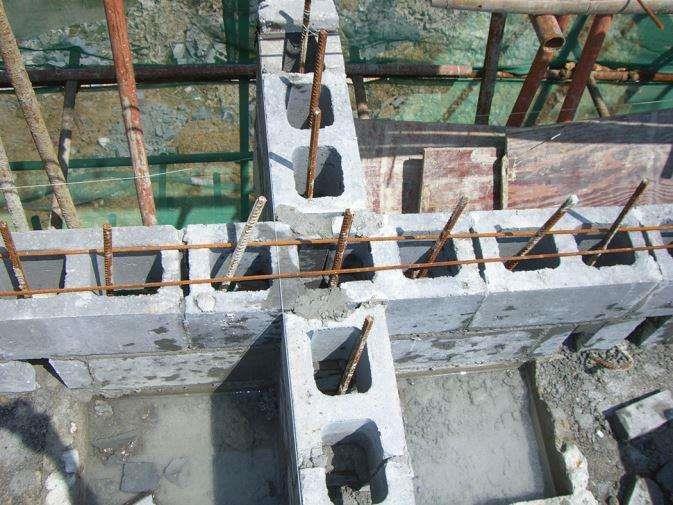
how to make concrete hollow blocks stronger?Reinforce concrete pouring with steel or steel mesh. Rebar is the most common additive to strengthen casting. In vertical or horizontal projects, the more reinforcement there is in the concrete, the stronger the finished project. The standard application for installing steel bars is at the center of 2 feet, which means that every 2 feet you will place a steel bar. Double the number of rods for greater strength.
Increase the level of reinforcement in a flat pour so that the steel is at the center of the wet concrete, not at the bottom. When the reinforcement is in the middle of the wet concrete, the steel plate becomes stronger. Use a steel chair to place the reinforcement a few inches from the sand base.
Consider the weather when pouring concrete. The rate of hydration of wet concrete, ie the rate at which concrete solidifies, depends on many factors. On hot sunny days, when there is little or no humidity, the concrete may solidify at a very fast rate, resulting in shrinkage and weaker structure. Test the concrete hollow blocks from the truck and ask the driver to add more water until you like consistency.
On the day of pouring, the new concrete hollow block used to be called green blocks, after producing by block making machine, it has to be sprayed with water pipes every hour and sprayed at least three times a day for the next two days. The slower concrete cures, the stronger it is. The concrete forms a strong internal bond by wetting the outside of the concrete during the three days of curing.
Concrete companies are required not to add calcium to concrete on a cool day. Calcium is a common additive that is added to wet concrete when loading trucks to speed up drying in cold weather. This speeds up the casting process, but it also reduces the strength of the concrete as it promotes air filtration in the concrete.Vibrate wet concrete. Vibration did two things to strengthen the concrete. First, it encourages wet concrete to be filtered into spaces that are difficult to reach, such as the space below the basement window. Second, it removes tiny bubbles from wet concrete, making the final product stronger. Use a pencil shaker when pouring the wall.